
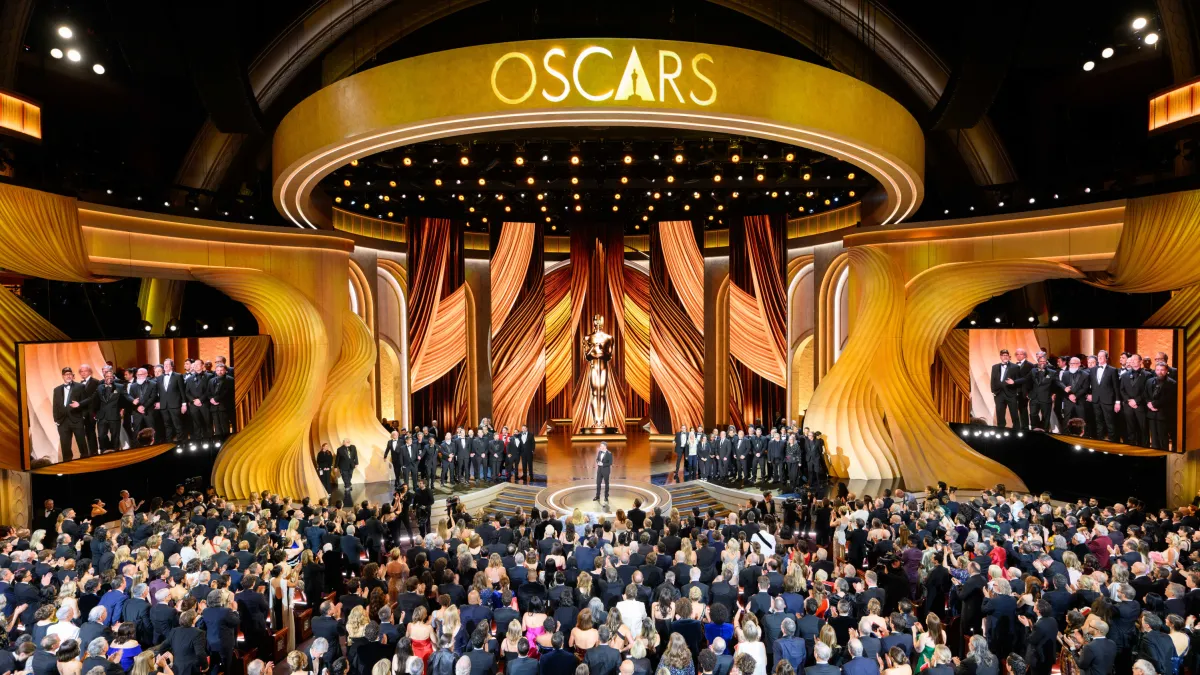
As an avid movie-goer who has seen more than fifty of 2025’s new films, I often find myself excited for Oscar season. Before nominations came out, I was rooting for some of my favorite films of the year, including “Sinners,” “Bugonia,” “One Battle After Another” and “No Other Choice.” When nominations were released, I flew to my phone to see the results, which were both exciting and disappointing.
After nominations were announced, opinions quickly followed. Many people online discussed films being “snubbed,” meaning they deserved a nomination but didn’t get one. And of course, the opposite was a topic. Films that received a nomination but didn’t deserve it. This got me thinking. What an honor it would be to be considered for a nomination, let alone receive one. It is truly the highest achievement to be recognized for an Academy Award for a film you took part in. How many people would kill for that opportunity? Those who, in 2025, can’t afford their groceries? Can’t support their families?
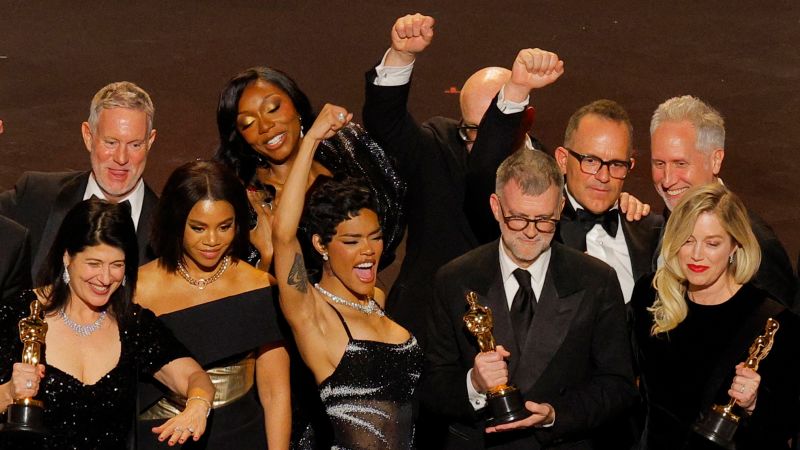
The concept is truly dystopian. The struggling working class watches the rich and famous dress up in luxurious gowns and attend a glamorous event where they are recognized and applauded by the other members of the same elite class. This is why the idea of a film being “snubbed” stood out to me. For your film to be successful enough to be considered for a nomination, you have already achieved a level of success most filmmakers never reach. You have not been snubbed. Those who have been snubbed are the working-class families of America who cannot afford to live.
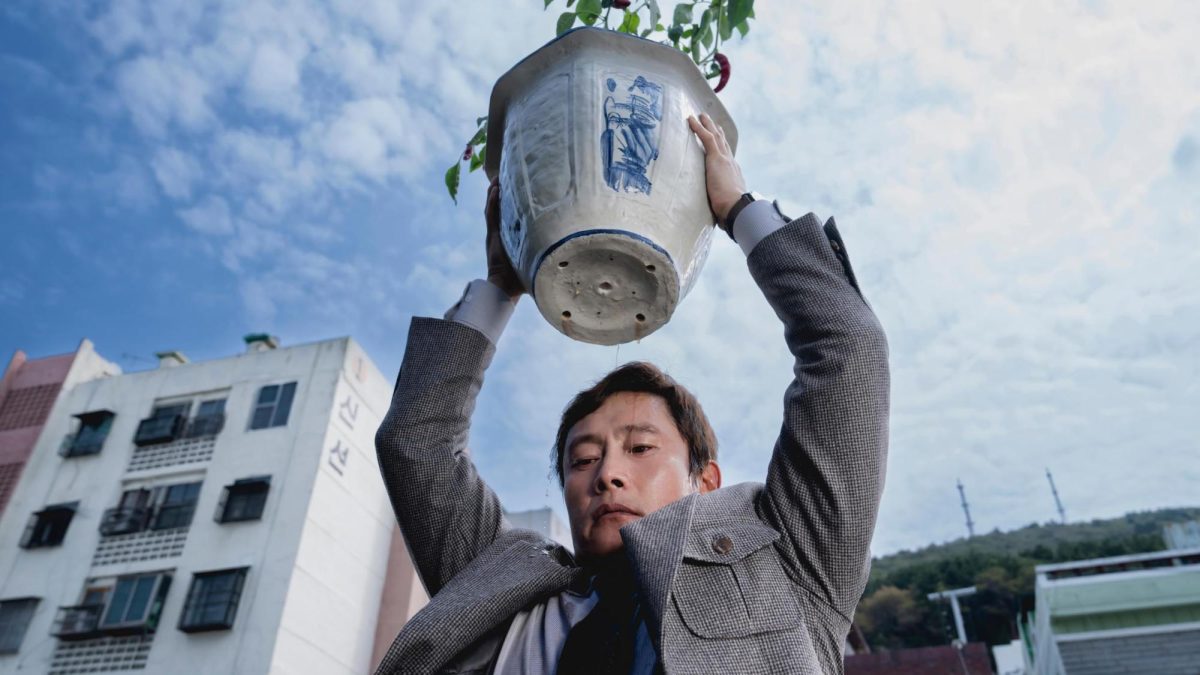
One film that was commonly referred to as snubbed was “No Other Choice.” Although critically well-received, the film did not take home any nominations. Coincidentally, this film discusses themes similar to those in this article. The film, set and made in South Korea, follows a man who has been laid off from his long-time career because of downsizing aftPreview (opens in a new tab)er his company switched to American ownership and replaced the workers with AI robots. Because of this, he struggles to find work and begins to “remove” the competition.
It is noteworthy that the film portraying a working-class man’s declining life after being exploited by the wealthy and powerful was the one not nominated. It sends a message, whether intentional or not, that these ideas are being shunned and unsupported.
With the Oscars being held in Hollywood, the homeless population near the venues are often highly visible. In 2021, the city of Los Angeles was accused of removing homeless individuals from an encampment next to the venue to present a “glitzy image,” according to the New York Post, “Scores of homeless people — many living in tents near the Union Station building in Downtown L.A. — were allegedly threatened and ordered to leave in the days leading up to the star-studded event.”
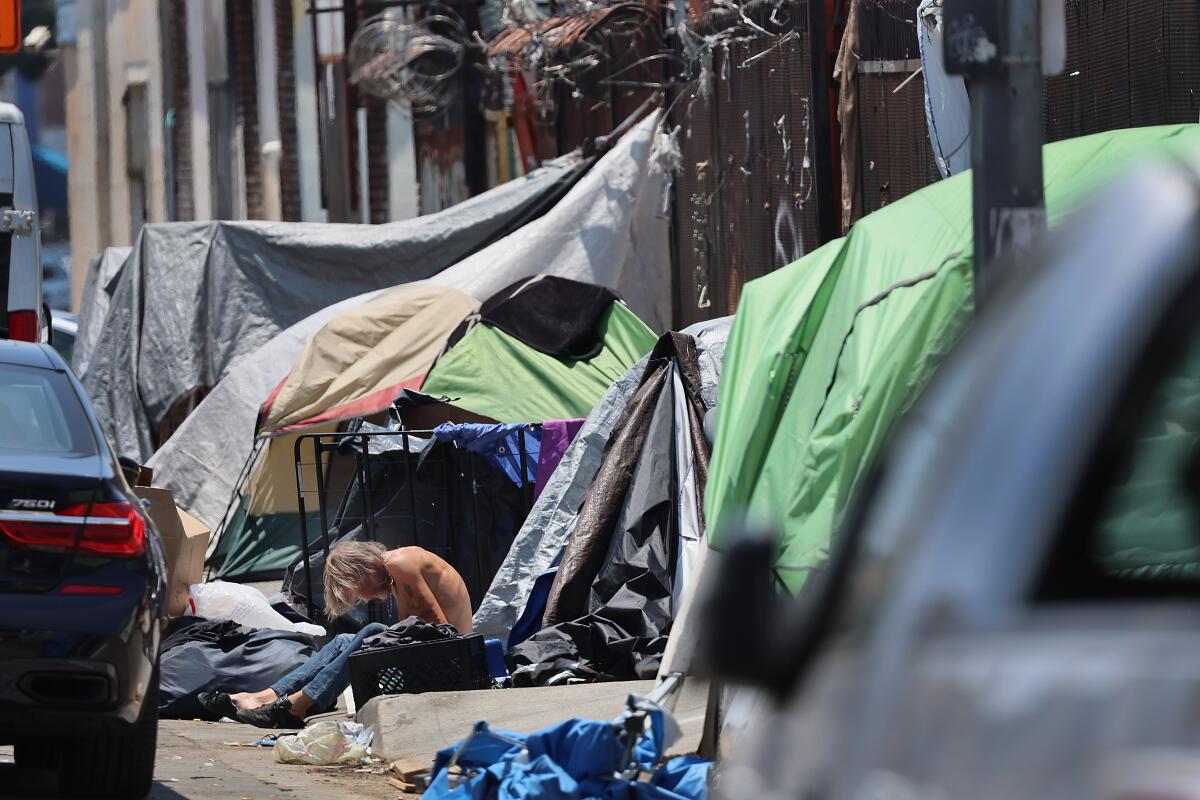
The Oscars cost more than $50 million to produce. That amount of money could change the lives of the entire homeless population in Hollywood.
So, who cares? Why do we still watch? These actors do not need public support. What society needs is their support.
The problem is, we won’t stop watching. Society is constructed on a social hierarchy, and those at the bottom have always loved to gaze at the top. This dynamic has existed throughout history, from kings and servants to modern celebrities and their audiences. Today, the working class sits at the bottom, and the rich and famous sit at the top. And we love to watch them.
So, after writing this, will I still watch the Oscars this year?
Yes, I will.