
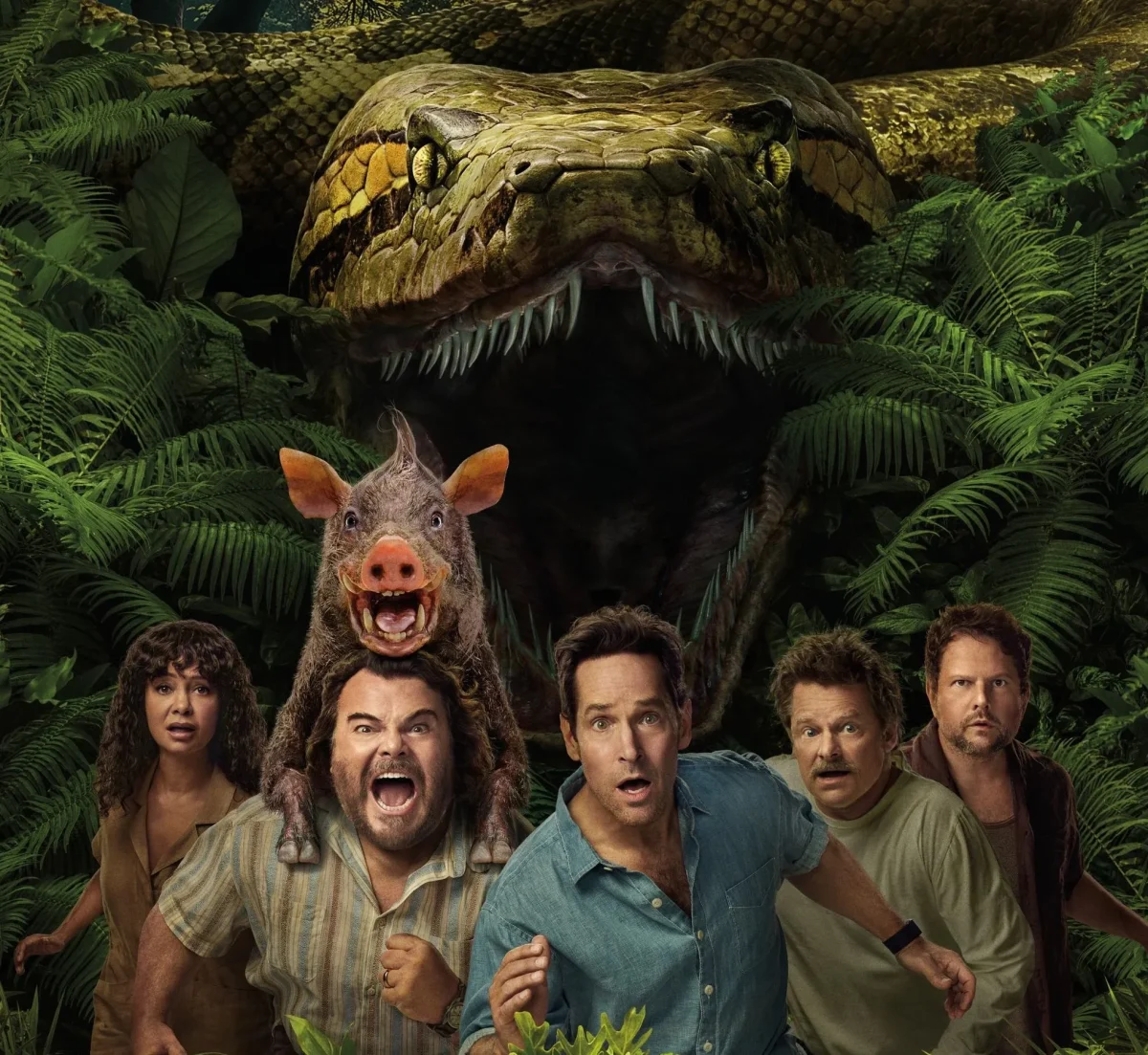
Hollywood has never met a premise it wouldn’t revisit, and the giant-snake thriller has officially slithered back into theaters. The newest “Anaconda” film revives a franchise best known for its pulpy thrills and over-the-top style, offering a version that is neater, louder and more self-aware than the original that terrified audiences nearly three decades ago.
The first “Anaconda,” released in 1997, was never a critical darling, but it became a cult favorite for a reason. Set in the Amazon rainforest, the film leaned hard into B-movie horror conventions: a simple survival plot, broad character archetypes and a computer-generated snake that was equal parts frightening and ridiculous. Its appeal came from that sincerity. That movie knew exactly what it was — a creature feature designed to shock, entertain and leave viewers stunned by the sheer absurdity of it all.
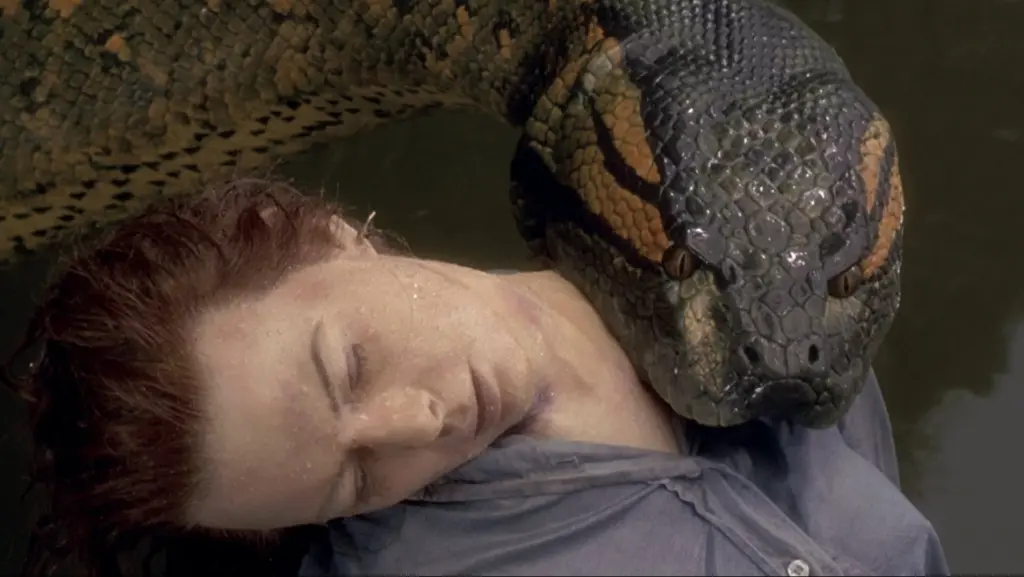
The new “Anaconda” (2025) takes a noticeably different approach. Rather than treating the premise with straight-faced intensity, this meta-reboot lets the audience know they’re in on the joke. The tone blends action, horror and humor. The anaconda itself is more convincingly rendered this time, benefiting from the decades of advances in visual effects. The snake moves with a realism that makes its attacks feel less campy and more calculated, even when the film itself leans more into comedy.
That comedic shift is the film’s biggest strength. The humor works largely because of Jack Black, whose performance brings energy and timing that ground the movie’s self-awareness. His presence helps the film commit fully to its tone, turning moments that could have felt forced into some of the movie’s most effective and entertaining scenes.
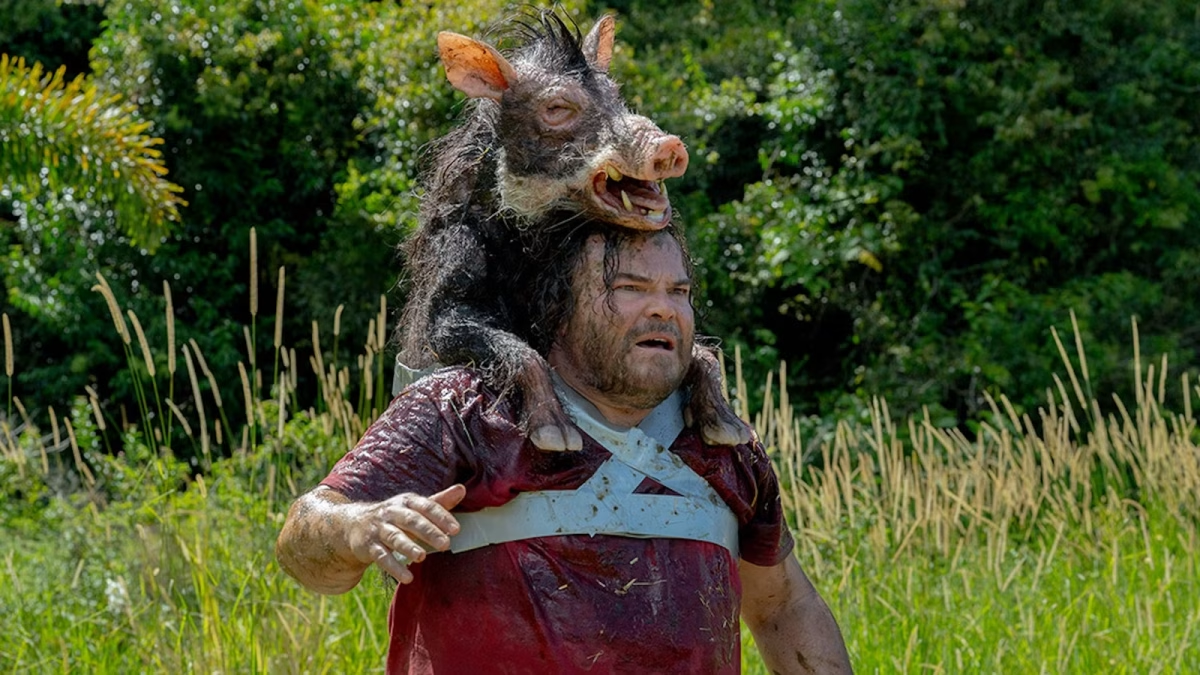
Structurally, the reboot also departs from its predecessor. Where the 1997 film focused on a group of explorers trapped in an unforgiving environment, the new movie expands its scope, emphasizing the pacing over isolation and suspense. It plays faster and louder, prioritizing momentum instead of the slow-building dread that defined the original.
That shift will likely divide audiences. Fans of the first “Anaconda” may miss the earnestness that made the original so memorably strange. The reboot’s self-awareness sometimes undercuts its tension, reminding viewers that they are watching a movie that knows it is a movie. Still, that same quality may make it more accessible to a modern audience accustomed to genre mashups and ironic humor.
Ultimately, the new “Anaconda” does not aim to replace the original so much as reinterpret it. It sheds the franchise’s old skin in favor of something flashier and more contemporary. Whether that evolution feels refreshing or unnecessary depends on what viewers want from a giant-snake movie. What is clear is that “Anaconda” remains exactly what it has always been at heart: a giant snake movie.