
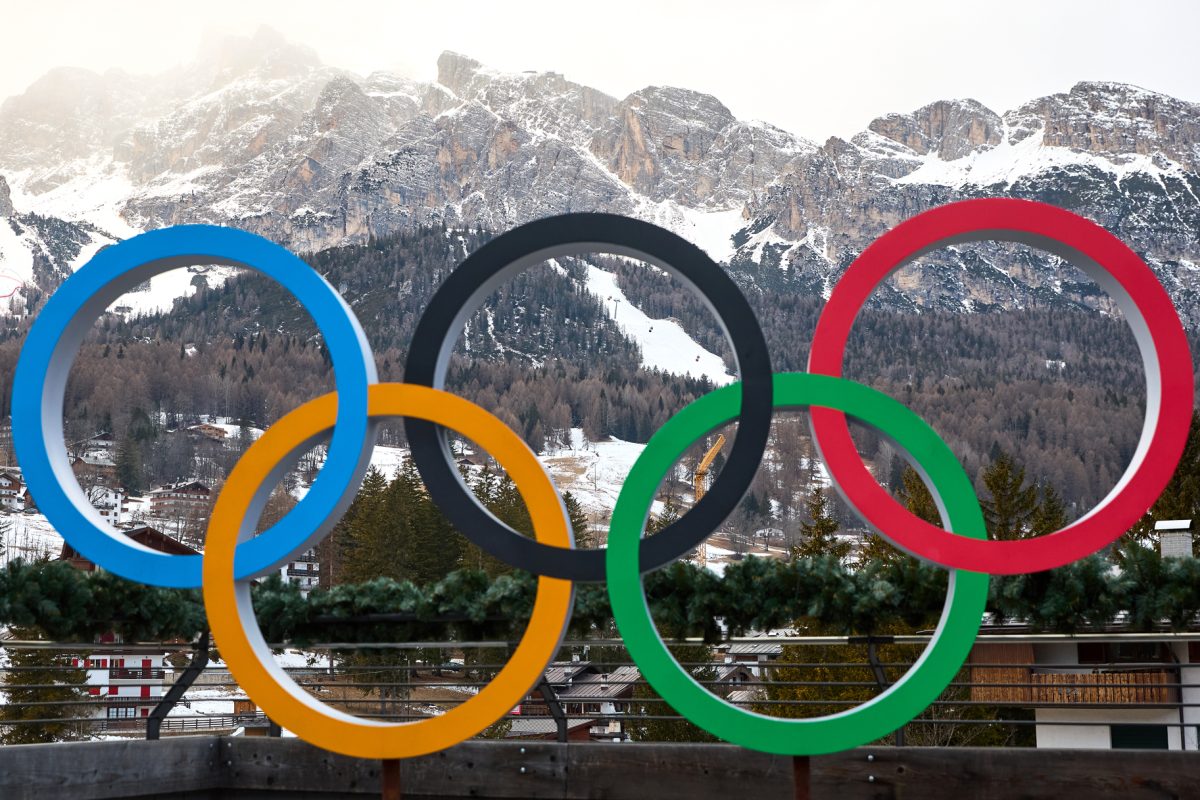
The Olympic Games often market themselves as a celebration of unity and athletic excellence. Flags wave side by side, national anthems play and athletes are praised for transcending borders. However, history shows the event has long doubled as a stage for political expression, economic controversy and global debate.
The International Olympic Committee (IOC) has always promoted the Games as politically neutral. However, international tensions, athlete activism and financial fallout for host cities continue to challenge that claim.
According to the IOC’s Olympic Charter, the Games aim to “place sport at the service of the harmonious development of humankind.” Yet political realities have repeatedly surfaced at the Olympics, from Cold War–era boycotts to modern debates over athlete protest and national representation, proving that the Olympics are not outside politics—they reflect it.
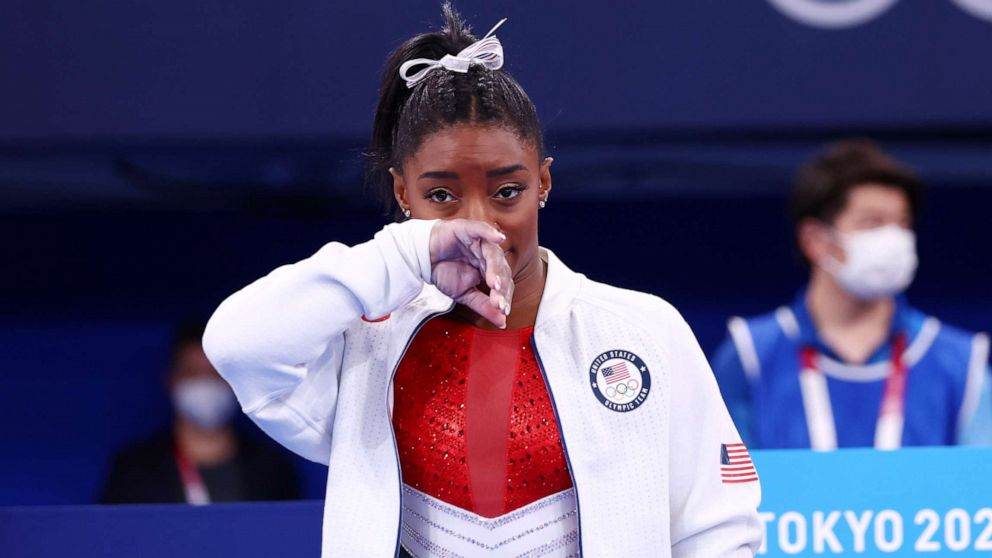
Athletes themselves have increasingly drawn attention to the pressures created by the global spotlight. During the Tokyo Olympics, Simone Biles withdrew from multiple events, citing mental health concerns. “At the end of the day, we’re not just entertainment, we’re humans,” Biles said in 2021, emphasizing the human cost of competing under national and media pressure. Her decision sparked international discussion about athlete autonomy, mental health and the expectations placed on Olympians to perform for their countries.
The political impact of the Olympics extends beyond symbolism and into the cities and the regions that host the Games. Host cities often invest billions of dollars in new stadiums, transportation systems and housing projects—costs that are frequently borne by taxpayers. Economist Victor Matheson, writing about Olympic costs and benefits, said, “hosting the Olympics is almost always a money-losing proposition for cities.”
Stadiums built for a few weeks of competition frequently become “white elephants”—expensive structures with little post-Games use—while local residents face displacement, rising rents and public debt.

-
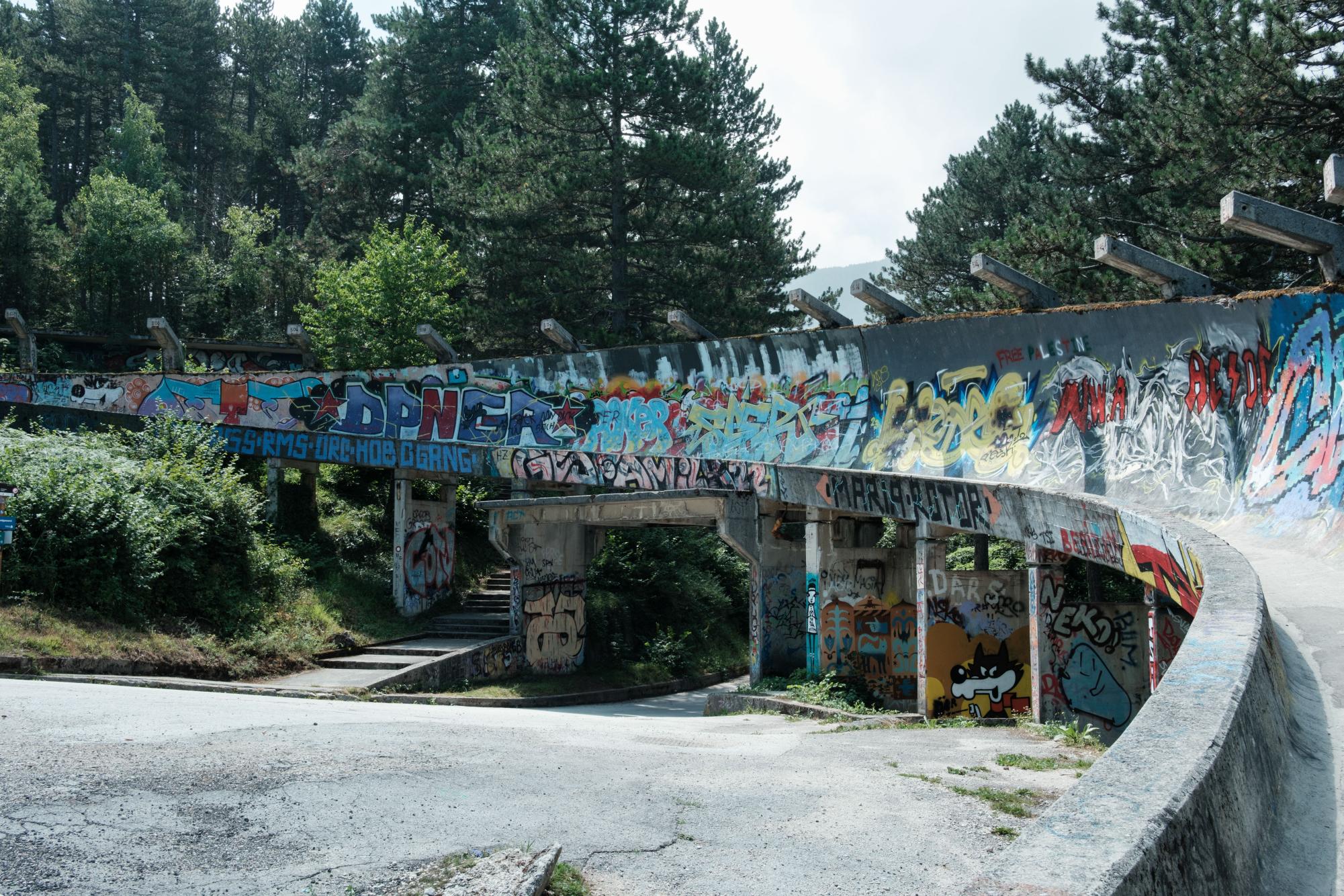
The Olympic Bobsleigh and Luge Track from Sarajevo 1984.
-
The abandoned beach volleyball stadium at the Faliro Olympic coastal zone in Athens, taken in 2024.
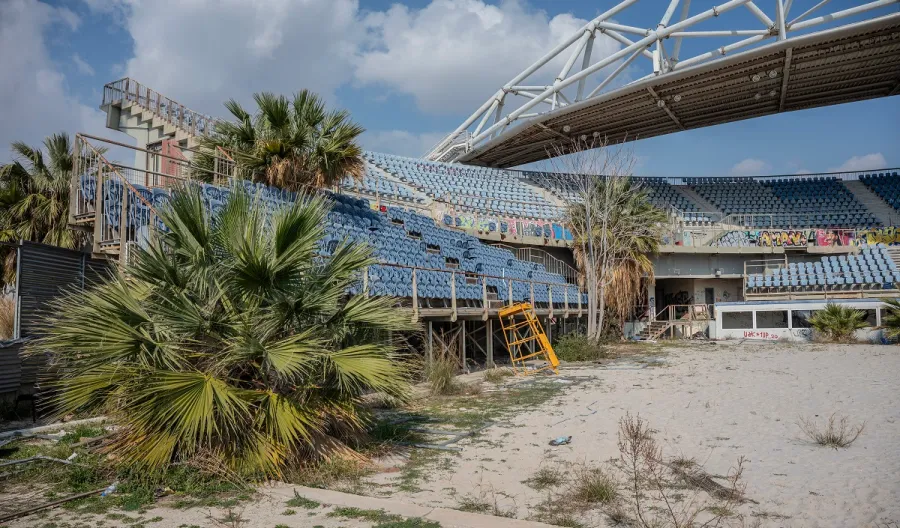
Athens and Rio de Janeiro are frequently cited as examples of host cities still managing Olympic-related debt decades later. Billions were spent on infrastructure that now sits abandoned or underused, challenging the idea that the Olympics reliably generate prosperity. Even the United Nations has raised concerns about housing displacement and labor practices tied to Olympic development projects, emphasizing that large-scale sporting events can strain vulnerable communities rather than uplift them.
Given these realities, it is fair to ask why the Olympics still matter at all.
The answer lies in the one thing the Games accomplish that few other institutions can: the creation, even fleetingly, of a shared global moment in a fractured world. They allow athletes from rival nations to compete under common rules, often showing mutual respect and understanding when other avenues of diplomacy have failed.
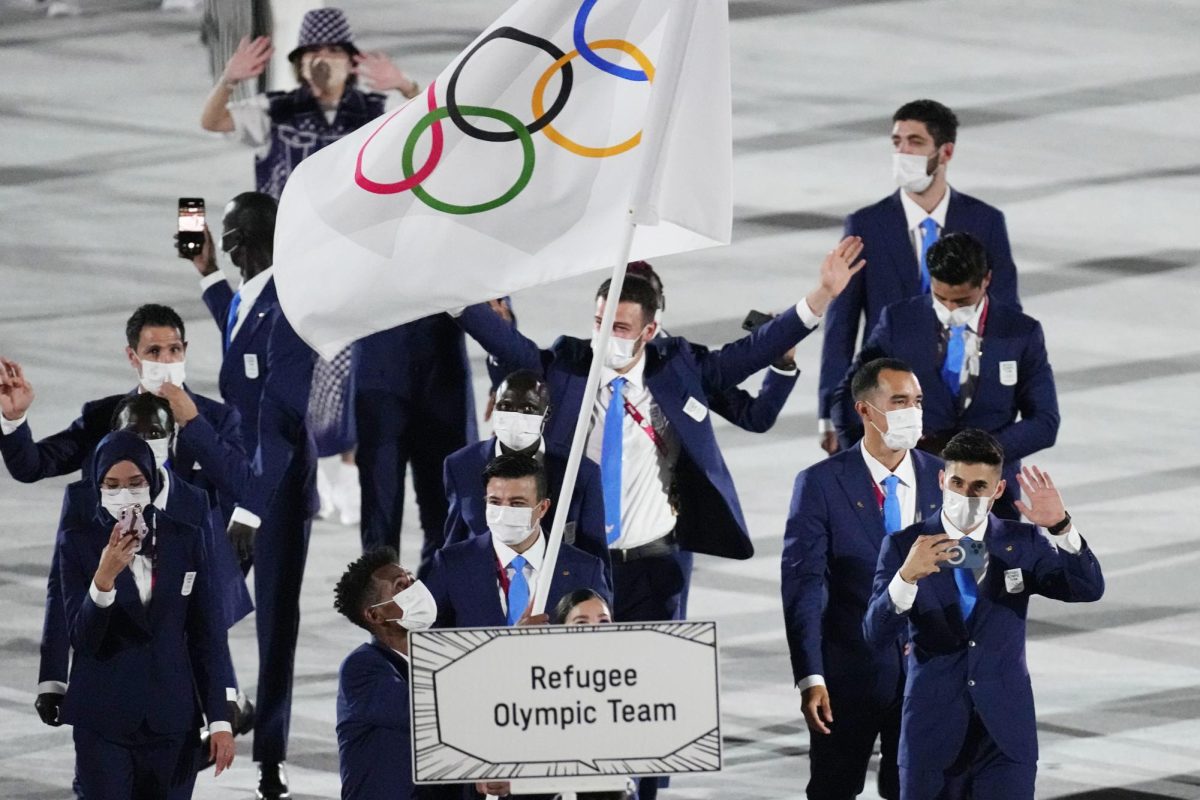
The Olympic Refugee Team, introduced in 2016, has further emphasized this role. In a statement released by the IOC, former president Thomas Bach said the team sends “a message of hope to all refugees in the world.” The team’s presence reframes the Games as a platform for shared humanity rather than national rivalry alone.
Despite their flaws, the Olympics remain one of the few events capable of capturing the world’s attention simultaneously. They expose political tensions rather than hide them and force conversations about mental health and fairness. The Games may be imperfect, but their significance lies precisely in that imperfection: they reflect the world as it is, while still pointing—however briefly—toward what it could be.