If you haven’t been following the SAVE (Safeguard American Voter Eligibility) Act, you may want to start paying attention.
The legislation, which passed the U.S. House of Representatives on Feb. 11, 2026, would change the rules for voter registration in federal elections. To become law, the bill must still pass the Senate and be signed by the president.
As written, the SAVE Act would require individuals to provide documentary proof of U.S. citizenship when registering to vote in federal elections — a shift from the current system, which relies on sworn attestation under penalty of perjury.
Supporters, most of whom are Republican lawmakers, say the bill strengthens election integrity and protects public confidence in the voting system. Critics argue it could create new barriers for eligible voters, particularly women whose legal names no longer match their birth certificates.
What The SAVE Act Requires
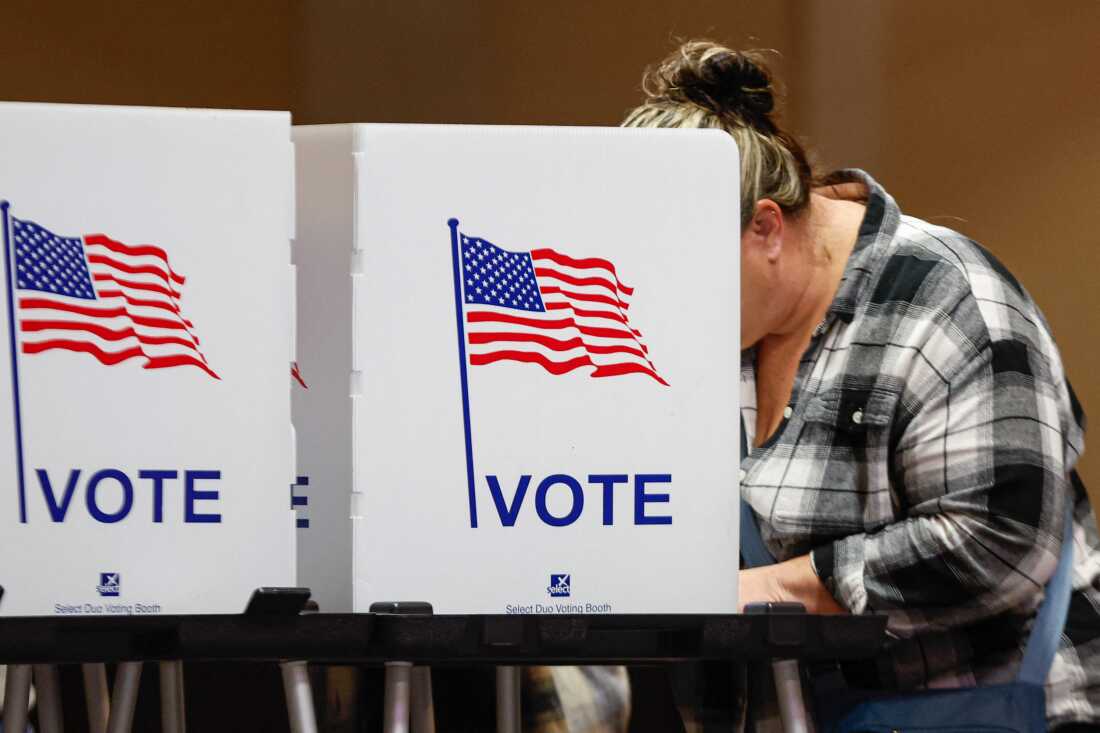
The SAVE Act would amend the National Voter Registration Act to require individuals to provide documentary proof of U.S. citizenship in person when registering for federal elections. Acceptable documents may include a U.S. passport, a birth certificate, or naturalization papers (U.S. House of Representatives, SAVE Act bill).
Currently, under federal law, individuals registering to vote must attest, under penalty of perjury, that they are U.S. citizens. Noncitizen voting in federal elections is already illegal and can carry significant penalties.
Research consistently shows that noncitizen voting in federal elections is rare. A comprehensive review by the Brennan Center for Justice found that election officials identified only 30 suspected noncitizen votes out of 23.5 million ballots cast in jurisdictions studied in the 2016 election (Brennan Center for Justice, 2017).
At the same time, not all Americans possess the most commonly cited form of documentary proof: a passport. According to a recent estimate, only “an estimated 45% to 50% of Americans have a valid passport” (Rustic Pathways, 2024). That means roughly half of U.S. citizens would need to rely on alternative documents, such as birth certificates, to meet the new proof-of-citizenship requirement.
The Marriage Name Gap
One of the most discussed implications of stricter documentation requirements involves married women.
According to a 2023 Pew Research Center analysis, about eight in ten women in opposite-sex marriages, approximately 79%, say they took their husband’s last name (Pew Research Center, 2023). When a woman changes her surname after marriage, her birth certificate retains her maiden name, while her driver’s license and voter registration reflect her married name.
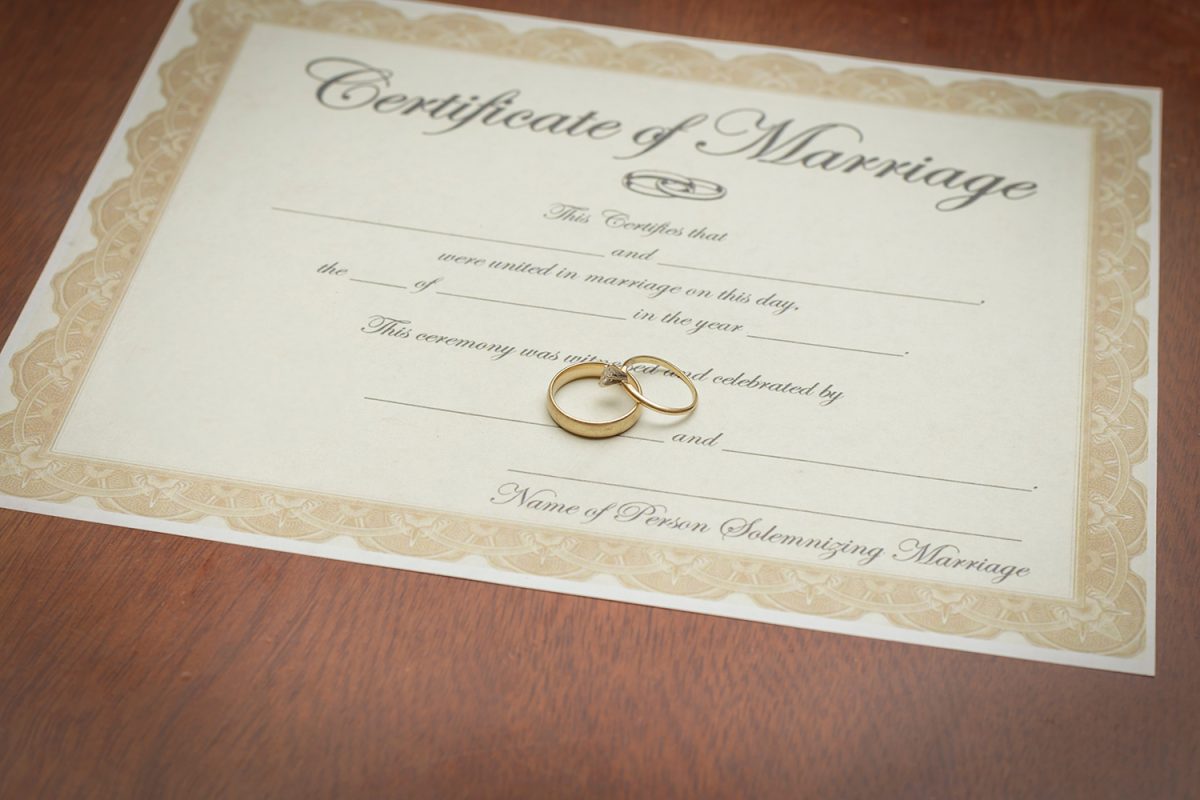
If documentary proof of citizenship is required and names must match exactly, voters in this situation may need to provide additional documentation, such as a certified marriage certificate, to demonstrate the legal name change.
Obtaining replacement documentation can involve fees and processing time. According to the National Center for Health Statistics, fees for certified birth certificates in New York are $30 per copy, with additional costs possible for expedited service (CDC/NCHS, Where to Write for Vital Records: New York).
Women who are divorced, widowed or remarried may have more than one legal name change documented through marriage certificates or court orders, potentially adding complexity to the verification process.
Who Else Could Be Affected?
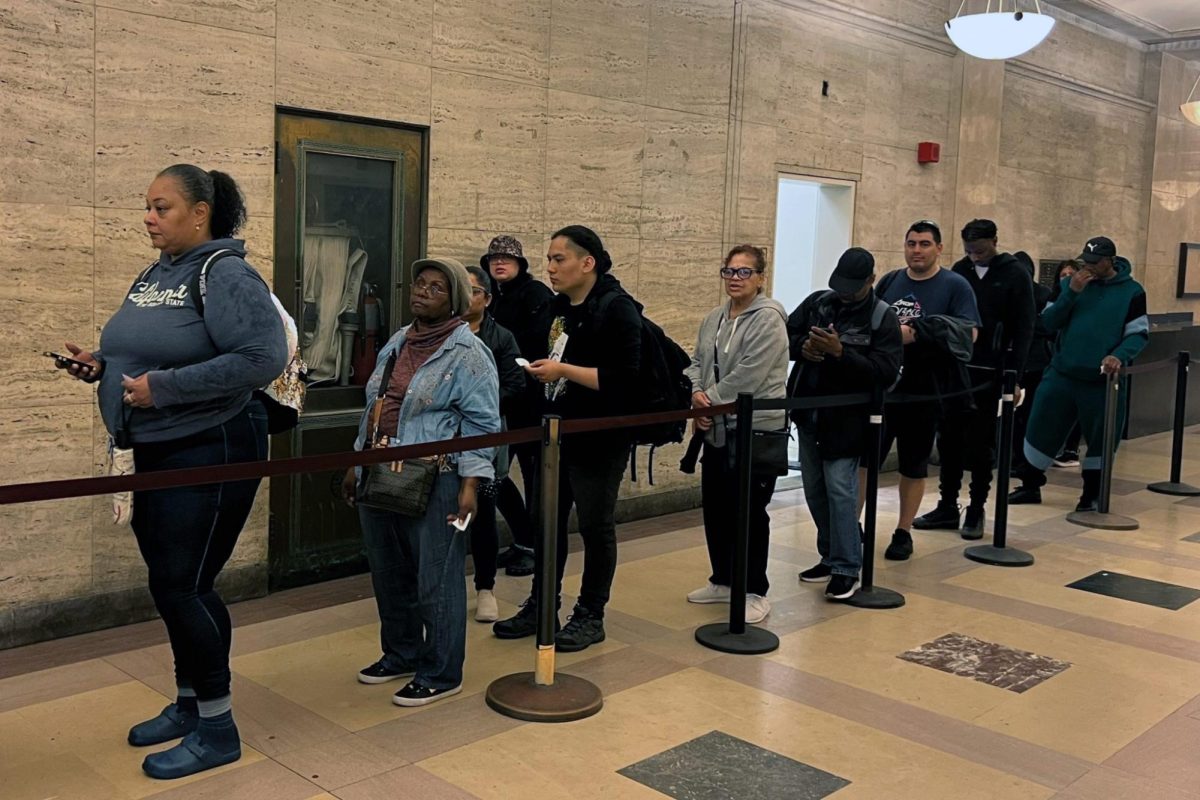
Beyond married women, advocacy groups and election administrators have raised concerns about individuals without U.S. passports, rural voters with limited access to government offices, college students registering for the first time and individuals born at home or in rural areas who may have difficulty obtaining birth records.
Requiring documentary proof of citizenship adds extra steps to the registration process. For some voters, that could mean locating decades-old records, requesting certified copies, paying fees, waiting for processing and potentially making in-person visits to government offices.
Even when documentation is ultimately obtainable, the added time, cost and complexity may discourage some eligible voters from completing the process. When participation requires navigating multiple administrative layers, even small obstacles can have a chilling effect on voter registration.
At its core, the SAVE Act reflects a longstanding tension in election policy: how to balance ballot access with safeguards against fraud.
While cases of noncitizen voting are rare, supporters of the act say consistent documentation rules help maintain trust in elections. Opponents argue that even small administrative hurdles can disproportionately affect certain groups of eligible voters, including married women whose legal names have changed.
In a democracy where participation is foundational, even procedural changes can have meaningful ripple effects. For many women voters, the SAVE Act raises a practical question: will the documentation trail of marriage and name changes complicate something as fundamental as casting a ballot?