

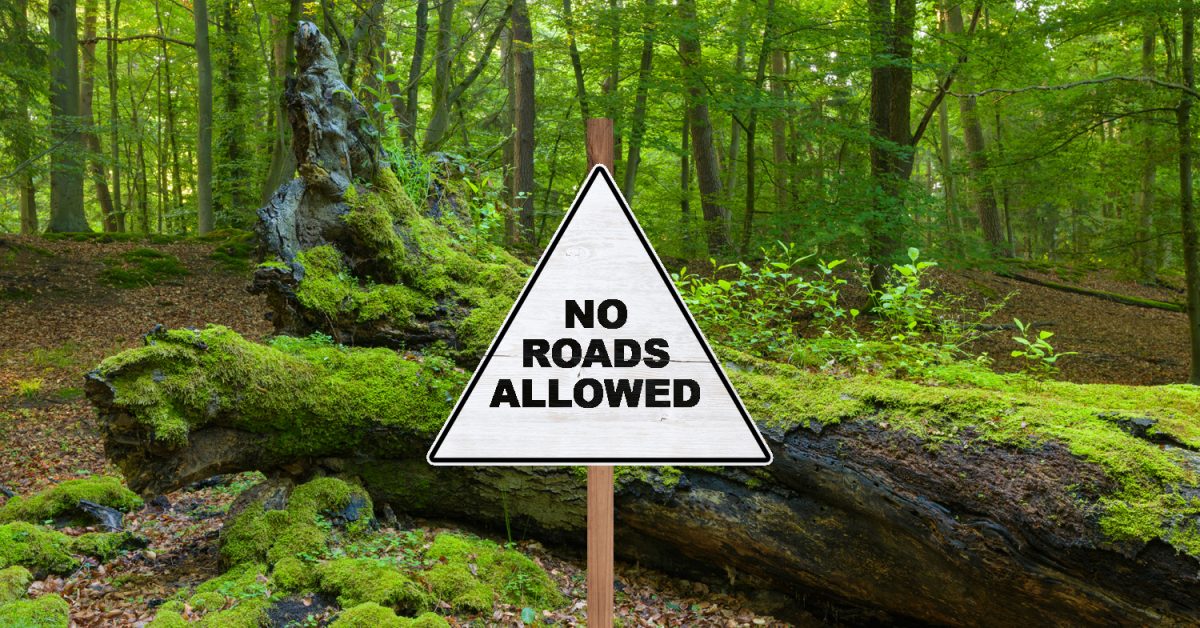
One of the nation’s most important environmental protections is now on the chopping block.
The Trump administration has announced plans to rescind the 2001 Roadless Area Conservation Rule, a federal policy that has protected millions of acres of national forest from development for more than two decades.
The rule, established in 2001, protects “some of the nation’s last remaining intact forests,” Defenders of Wildlife said in its article “The Roadless Rule,” keeping them free from road construction and large-scale industrial activity. If repealed, the administration’s proposal would open approximately 45 million acres of national forest to logging, mining and energy development.
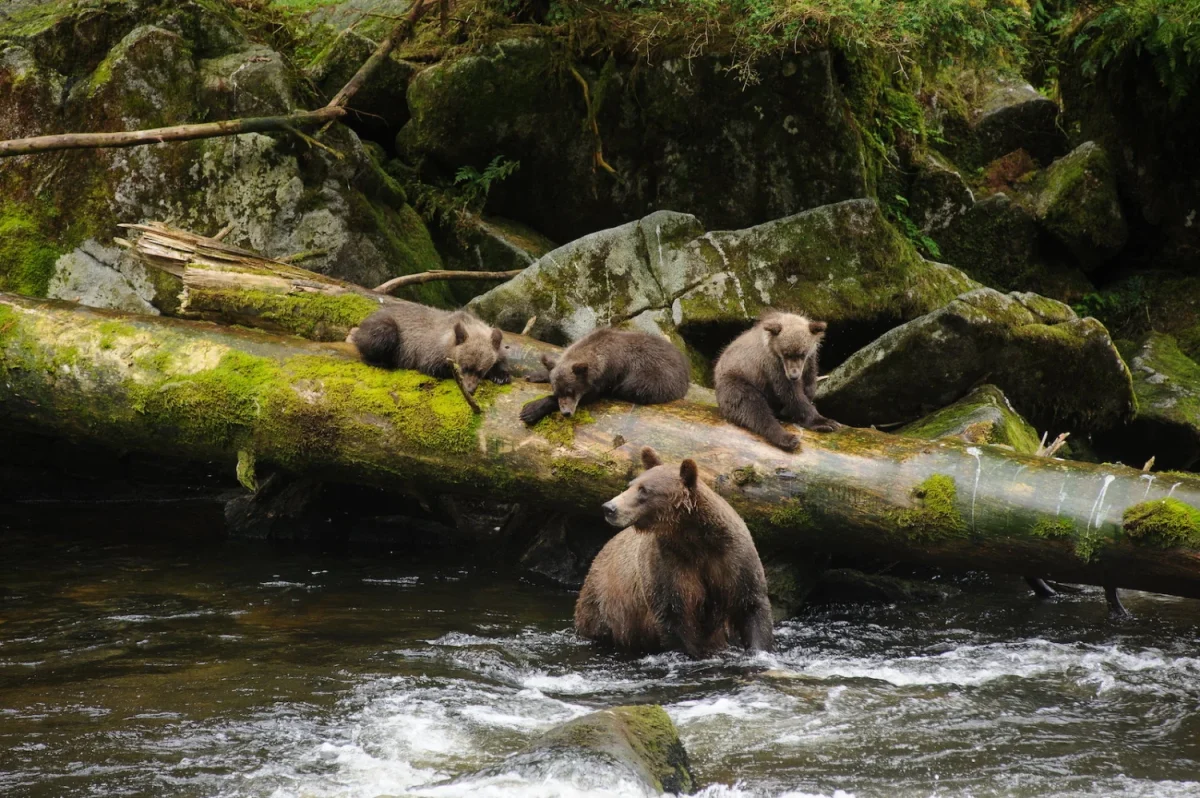
Environmental organizations warn that the rollback could have significant ecological consequences. According to Defenders of Wildlife, roadless areas “are natural forests, without roads or industrial logging, where wildlife can thrive undisturbed.” These areas provide essential habitat for a wide range of species, including elk, salmon and grizzly bears.
In addition, these forests play a major role in maintaining clean water systems. National forests serve as headwaters for major rivers, and the organization also noted that roadless areas “provide clean drinking water to millions of people.” The Wilderness Society warns that road construction and logging can introduce sediment and pollutants into waterways, harming ecosystems and nearby communities.
Conservationists also emphasize the role these forests play in addressing climate change. According to The Wilderness Society, old-growth forests act as major carbon sinks, storing greenhouse gases and helping reduce the impacts of global warming. Increased logging could release stored carbon back into the atmosphere, contributing to climate change.
While expanding access to these lands could stimulate economic growth, particularly in industries such as timber and energy production, the long-term environmental costs may outweigh the short-term economic benefits.
The proposal has sparked widespread public response. Defenders of Wildlife note that roadless areas have historically received strong public support, with large numbers of Americans advocating for their protection.
As the policy moves forward, it is expected to face legal challenges from many environmental organizations. The debate highlights an ongoing national conflict between economic development and environmental conservation, with the future of millions of acres of protected forestland hanging in the balance.